
By Astrit Martinaj / Published : July 12, 2026 / Last updated : July 12, 2026
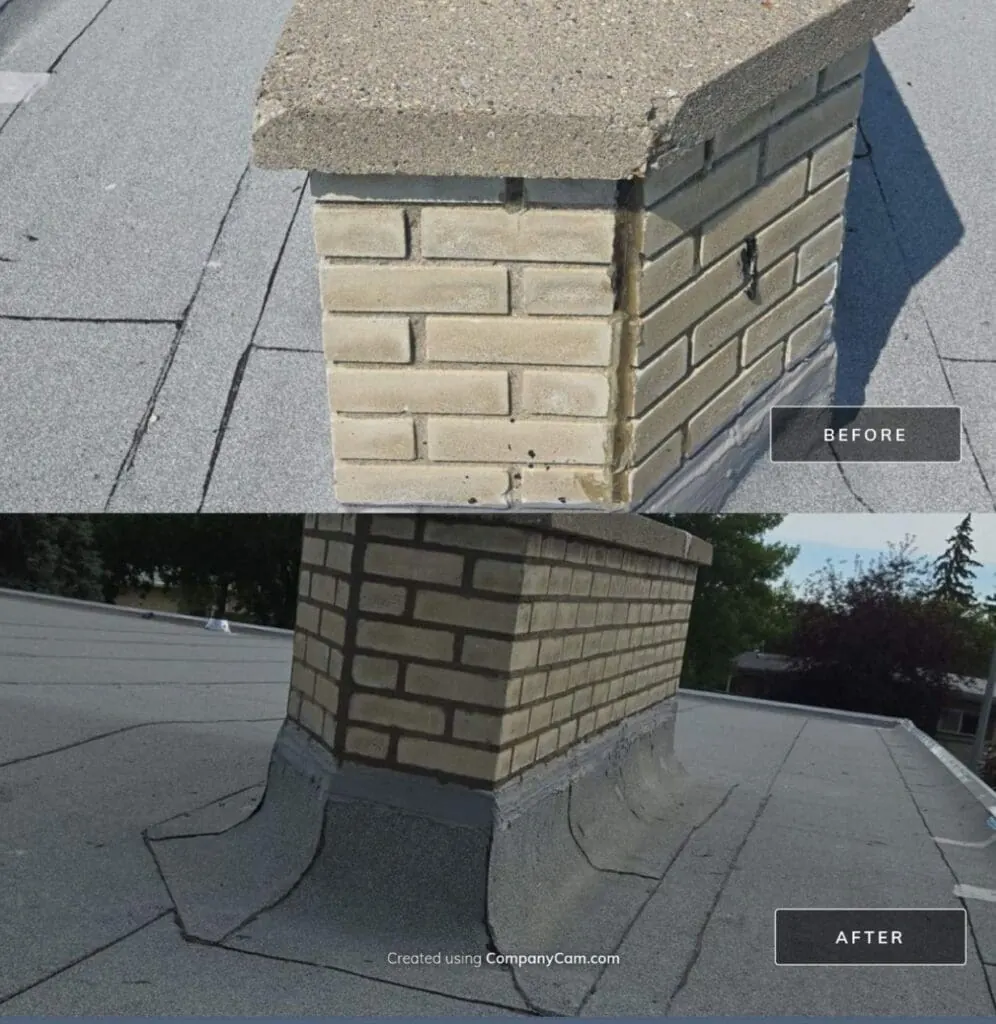
You may need repointing when mortar between bricks is cracked, crumbling, recessed, or missing. “Tuckpointing” is used differently by different contractors: some use it for repointing generally, while others mean a decorative joint finish. The visible condition, moisture exposure, and condition of the units matter more than a fingernail test or a fixed seasonal deadline.
The Signs That Actually Matter
Homeowners often wait for something dramatic, a falling brick, a visible hole, before calling anyone. In reality, the mortar shows warning signs well before it gets to that point, and catching it early is what keeps the repair small.
Crumbling or powdery mortar. Loose, recessed, or missing material deserves attention. A simple scratch test cannot establish the full condition of a joint or wall, and mortar also has to be assessed in relation to the brick and the rest of the assembly.
Cracks running along the joints. Cracks across multiple joints, including stair-step patterns, warrant assessment. They can have several causes, including movement, moisture, detailing, or prior repair; the pattern alone does not diagnose settlement.
Gaps or recessed joints. Missing or deeply recessed mortar can increase exposure to water and needs to be considered with the wall’s drainage and detailing. It does not prove how long the deterioration has been present or how often water is entering.
Efflorescence. White deposits can form when moisture carries soluble salts to a surface and evaporates. Efflorescence is not damage on its own and does not identify the entry point; recurring deposits justify looking at the broader moisture path rather than assuming the joints are the cause.
Interior signs. Damp patches, musty smells, or peeling paint on interior walls near an exterior brick wall can trace back to exterior mortar failure long before any exterior damage is obvious from the ground. This is especially common with chimneys, where deteriorating mortar at roof level goes unnoticed for years because nobody’s looking up there regularly.
Why Age Isn’t the Only Factor
A lot of people assume mortar failure is purely about how old the house is, and age matters, but it’s not the whole picture. Mortar life expectancy depends heavily on the original mix, the brick quality, sun and wind exposure on a given wall face, and how much freeze-thaw cycling that specific side of the house goes through. It’s common to see one wall of a house needing repointing decades before another wall on the same building, simply because of which direction it faces and how much moisture and temperature swing it’s exposed to.
In Calgary specifically, this timeline compresses. Calgary’s temperature variation and winter exposure can increase the importance of moisture management, but there is no reliable universal lifespan for mortar. Orientation, shelter, workmanship, material compatibility, and maintenance can make one wall perform differently from another.
What Happens If You Wait Too Long
Repointing can be a contained repair when the units and the rest of the wall remain sound. If moisture, movement, incompatible mortar, or other defects have damaged the units, the scope may include brick assessment or brick replacement rather than repointing alone. Spalling has several possible causes; trapped moisture and freeze-thaw exposure are possibilities, not a diagnosis from a photograph.
Address visible deterioration before it expands, but the appropriate timing depends on severity, exposure, access, and the cause. Repointing is not a guarantee against every future masonry repair.
Tuckpointing vs. Repointing: Quick Clarification
These terms are used inconsistently. In many technical contexts, repointing means removing defective mortar and installing new mortar in the joints; tuckpointing may describe a decorative finish or may be used as a general term for the same work. Ask the contractor to define the proposed operation, mortar, joint profile, preparation, and scope rather than relying on the label.
When to Get Someone to Look at It
If you’re seeing more than one or two of the signs above, especially crumbling mortar you can scratch out by hand, gaps you can see daylight through, or interior moisture signs near a brick wall, it’s worth getting an actual assessment rather than guessing from the ground with binoculars. Chimneys in particular are easy to overlook since they’re hard to inspect safely without the right equipment, and they take the most direct weather exposure on the whole house.
At Martini Stone Masonry, we look at the brick and mortar directly before recommending anything, since the right fix depends on how far the deterioration has actually progressed, not just how the wall looks from the sidewalk. You can read more about our brick repair and tuckpointing services here, including how we match mortar type to Calgary’s specific climate demands. If your issue is showing up specifically on a chimney, our chimney repair and maintenance guide covers what to watch for there in more depth.