
By Astrit Martinaj / Published : February 22, 2026 / Last updated : April 7, 2026
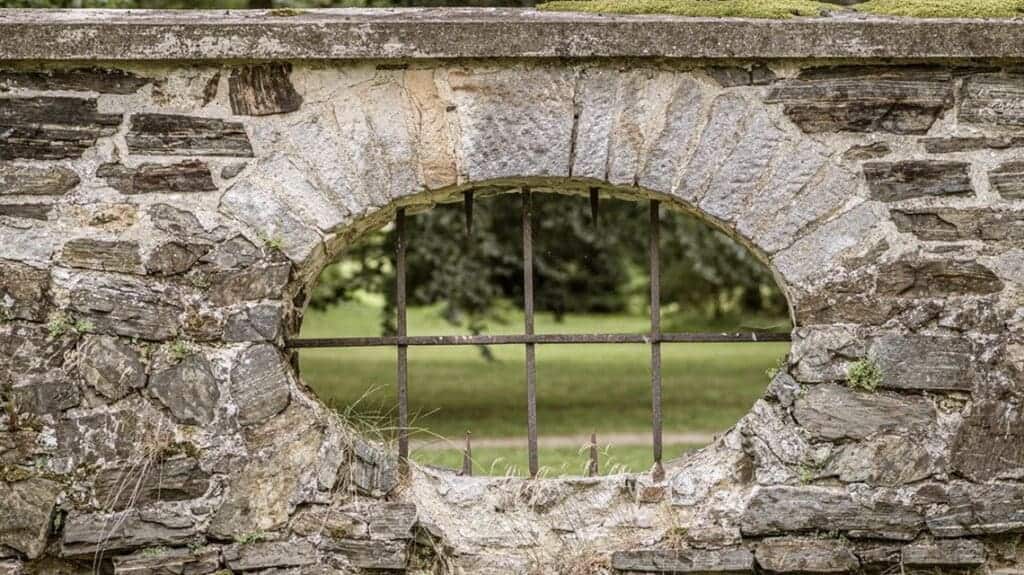
Masonry construction stands as a traditional construction method that humans have utilized for numerous centuries. Humans began domesticating animals and building permanent shelters for them, and masonry provided the needed protection during this period. Masonry continues to be widely used throughout the world, even though it was first developed in ancient times before the computer age began.
Masonry’s History
Masonry has very old roots in permanent settlements, but its development was gradual and varied by region. Early builders used locally available stone, earth, plaster, and later mortars; there is no single start date or first technique that represents all masonry.
Masonry became the fundamental construction technique for building different structures across all historical civilizations. The world’s famous landmarks, including the Egyptian Pyramids and the Greek Parthenon, were built using masonry techniques. The architectural wonders of masonry showcase both its strength and innovative construction methods. Wood-based construction techniques entered the scene later but failed to replace masonry as a building method. Masonry maintained its essential role in construction practices during the transition to modern times and continues to be a preferred building method in the present day.
The Evolution of Masonry
Masonry trades have used apprenticeship and mentorship systems in different places and periods, but medieval guild rules were not universal. Modern training, certification, licensing, and permit requirements depend on the jurisdiction and the type of work; they should be checked locally rather than inferred from historic practice.
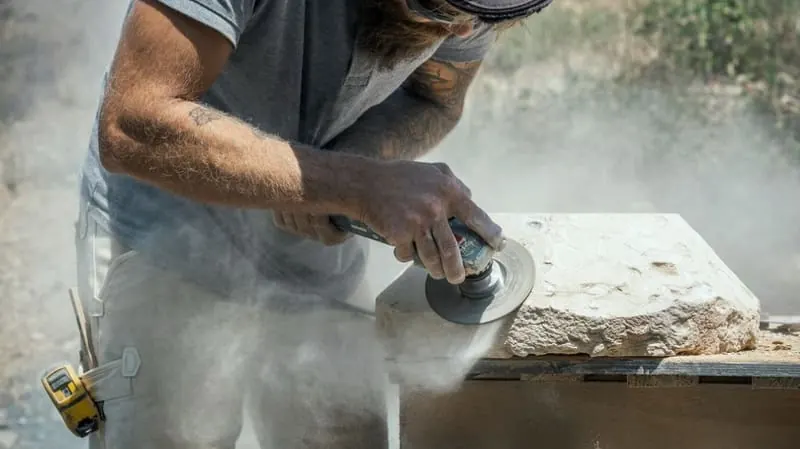
Modern masonry construction with brickwork and advanced tools
Modern technological progress has brought significant improvements to masonry construction methods. The combination of contemporary tools with new construction methods enhances both efficiency and versatility in the process. Modern machines provide exact control for placing stones into position. The introduction of innovative coloring and texturing methods and finishing techniques has raised the visual attractiveness of masonry.
Masonry maintains its specific position in the construction industry despite concrete being the preferred material choice for modern building projects because of its lower costs and simpler implementation. The timeless appearance, together with the durability of masonry buildings, makes them stand out from concrete structures in terms of visual appeal. The modern applications of masonry include brick walls and fireplaces and chimneys, together with patios and retaining walls, as well as decorative stonework and concrete block construction.
Advantages of Masonry
Masonry can provide durable, fire-resistant, and acoustically useful construction, but performance depends on the specific assembly. Ancient examples demonstrate possibility, not a guaranteed lifespan; moisture management, movement, workmanship, and maintenance remain important.
Masonry may have lifecycle advantages where long service life, repairability, or reuse offset the impacts of extraction, manufacturing, and transport. Those impacts vary by material and source, so it should not be described as automatically green. See masonry materials when comparing a specific project.
Challenges in Masonry Construction
Masonry construction provides numerous benefits, yet it presents certain difficulties to builders. The construction process demands skilled workers and extensive manual labor, which results in higher costs than alternative building techniques. The construction time for masonry buildings exceeds that of prefabricated material structures. The long-term advantages, together with masonry’s attractive appearance, make its construction challenges acceptable.
The Future of Masonry
Masonry construction shows promising prospects for the future because technology keeps advancing. The construction industry will experience a revolution through robotic masonry systems and 3D printing technology, which will enhance operational efficiency while decreasing expenses. The growing interest in sustainable construction methods positions masonry as a fundamental element because of its environmentally friendly nature.
Masonry in Calgary: Local Conditions, Local Craft
Calgary’s built environment offers a particularly clear window into how masonry adapts to place. The city’s older neighbourhoods (Inglewood, Ramsay, Bridgeland, and Hillhurst among them) were developed largely between 1900 and 1940, and brick was the dominant construction material of that era. Many of the original low-rise commercial buildings along 9th Avenue and the residential streetscapes in these communities were built using locally sourced sandstone or clay brick, materials that proved well-suited to the prairie climate when laid correctly.
That same climate, however, creates demands that masons in milder regions rarely encounter. Calgary’s temperature variation and winter exposure make moisture management important. When porous masonry becomes saturated, freezing can contribute to cracking, spalling, and joint deterioration; the mechanism and severity depend on the material, detailing, exposure, and prior damage. Climate is one factor, not a diagnosis or a substitute for inspecting the assembly.
The practical implication is to match materials and detailing to the existing assembly and exposure. Mortar selection is not a Calgary-wide Type S default, and parging is not a substitute for foundation drainage or waterproofing. For repair decisions, see brick repair and tuckpointing and parging applied to foundation walls.
Calgary’s newer residential developments lean heavily on cultured stone veneer and manufactured brick products, which have improved significantly in quality and appearance over the past two decades. These materials can be installed faster and at lower cost than natural stone, but they require the same level of craftsmanship at the installation stage, particularly around flashing, weep holes, and the transitions between veneer and wood-framed structure. Appearance and service life depend on the product, support, drainage, flashing, weep details, and workmanship. Moisture behind veneer can be difficult to see, so veneer is usually considered with the building envelope; exterior renovations in Calgary covers how that work is sequenced.
Conclusion
Masonry construction stands as a fundamental element of the building industry because of its enduring popularity and extensive historical background. The construction industry will continue to use masonry because it provides strength and beauty together with sustainability for both ancient monuments and contemporary buildings.
If you’re looking for experienced Calgary masonry contractors to bring these techniques to your home or project, the craft and durability described here is exactly what we deliver.