
By Astrit Martinaj / Published : August 3, 2025 / Last updated : April 7, 2026
Key Points:
- They are professionals who specialize in brickwork, stonework, and concrete, either for structural or decorative work.
- Compare relevant experience, insurance, written scope, and any permit or qualification requirements that apply to the work.
- Ask for more than one estimate to find out the prices of work and the range of fair price points.
- Whenever possible, get a written contract that protects you and provides certain expectations.
- Compare the proposed scope, preparation, materials, access assumptions and warranty terms rather than treating price alone as a quality test.
Understanding Masonry Contractors and Their Role
Hiring a masonry contractor could contribute to your construction project’s success or failure. Whether your project entails building a new house, building a fireplace, building an outdoor living space, or making any addition with masonry work, you want to make sure that you hire masonry work done correctly, on time, and on budget.
What is a Masonry Contractor?
A masonry contractor works with materials such as brick, stone, concrete, and mortar. In Calgary, the scope may include repairs, fireplaces, stone features, and other masonry work. Ask how the contractor’s experience applies to your particular material, assembly, exposure, and repair rather than assuming a generic local claim establishes suitability.
Typical masonry contractors in Calgary do general masonry work that includes:
- Structural work: foundation walls, load-bearing walls, and reinforcement
- Decorative work: fireplaces, chimneys, and stone features
- Outdoor work: patios, walkways, and retaining walls
- Repair work: winter weather damage to masonry, and restoration of older masonry
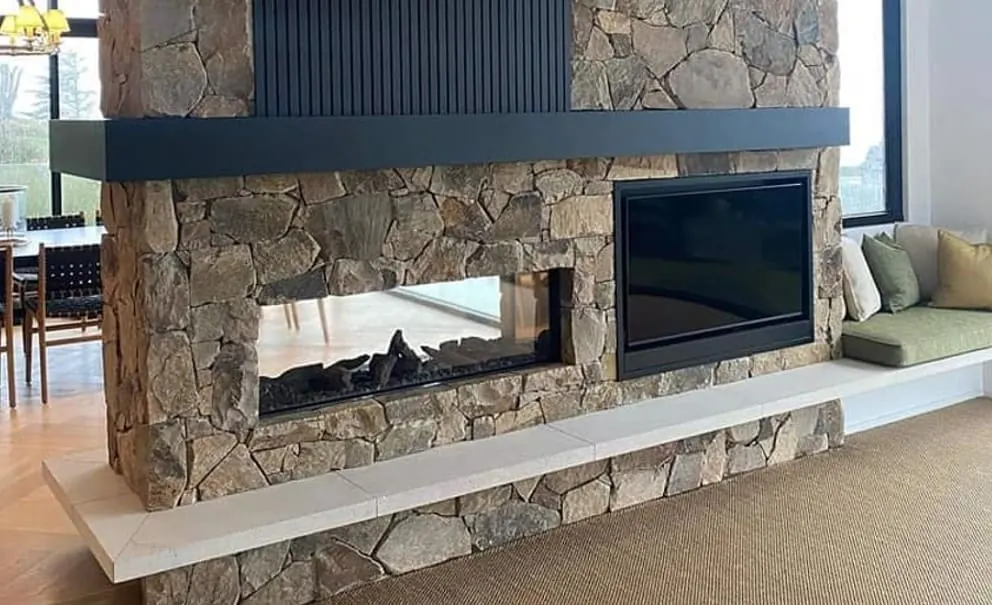
Custom stone fireplaces showcase the decorative masonry expertise that Calgary contractors provide.
Calgary’s temperature variation and winter exposure make moisture management and appropriate installation conditions important. The effect depends on the material and assembly; “dry climate” or “freeze-thaw” alone does not identify a failure or prescribe a product.
Reviewing Experience and Qualifications
What should you be looking at?
Do not rely on a blanket licensing statement. Requirements can depend on the work, location, permits, employer, and other applicable rules. Verify the contractor’s legal business details, insurance, relevant qualifications, and the permit responsibilities for your project.
Three Pillars to Examine in the Selection Process:
- Relevant experience: Ask for comparable completed work; a made-up minimum number of years is not a quality test.
- Local Portfolio: Ask for examples of what they have done here in Calgary.
- Calgary References: Make sure to call their customers from the local work they did recently.
- Installation planning: Ask how weather, moisture, curing, and protection will be managed for your specific project.
Most important, ask for references, and actually call them! Ask about the quality of work, timing of project completion, and how they dealt with any problems. Don’t just read the online reviews. Check verified customer reviews and talk to the real customers.
Training and Education
Training pathways vary. Ask who will perform the work, what relevant training or experience they have, and whether any qualification or supervision requirement applies to the project. Do not treat a claimed apprenticeship length or a specific credential as a universal legal requirement without verifying it with the applicable authority.
Also, many Calgary contractors take additional training in different products and installation methods. The construction world is a tirelessly changing and good contractors will keep up to date on products that are applicable to our climate.
Professional Connections and Physical Demands
Industry Connections
Ask whether the contractor has relevant training, associations or supplier relationships, and verify what those affiliations actually establish. Membership alone does not prove capability, certification or project quality.
Physical Demands
Masonry work is physically demanding. Lifting heavy loads, severe variations in job site conditions between day and night, and a steady hand for detail are all part of being a crafts person.
In Calgary, the temperature extremes we can see can be extremely taxing physically, especially in the winter months.
You want to be sure that the contractor you select employs craftspeople who are capable of the physical demands of the role. Ideally, a good crew would be a mix of experience and apprentice learning the trade.
Understanding Costs and Pricing
Obtaining Accurate Quotes
For meaningful quotes, the contractor may need to inspect the site. Access, existing construction, substrate condition, height, materials, and scope can affect pricing. A preliminary phone range can be useful, but a fixed quote without enough site information should be treated cautiously.
Written quotes should itemize costs of materials, labour, equipment, and cleanup. This will allow for comparative bids to be compared accurately. It also avoids surprise charges later.
How Contractors Price Work
Calgary masonry contractors will use different pricing methods based on the scope of work or job:
- Per square foot: common for large spaces or uniform surfaces (e.g., patios)
- Per unit: a common method of counting blocks and bricks
- Daily or hourly: use for repairs or uncertain scope
- Fixed: for well-defined projects.
Compare enough proposals to understand the available options. Large price differences often reflect different scopes, preparation, materials, access assumptions, or warranty terms; price alone does not prove that a contractor will cut corners.
Avoiding Problems and Poor Quality
Red Flags to Consider
Warning signs to investigate include:
- Pressure to decide immediately: a short deadline can make it difficult to compare scope and terms
- No relevant proof: the contractor cannot provide comparable work or explain how the proposed method fits the material and assembly
- Unclear responsibility: insurance, permits, engineering, access or connected-trade work is not assigned clearly
- Unclear payment terms: the schedule, deposits and progress payments are not written down
- Nothing in writing: scope, materials, exclusions, timing and warranty terms are not documented.
A contractor should be able to explain the proposed scope, provide relevant proof and document the commercial terms. Verify insurance and references rather than inferring quality from busyness or marketing language.
The Importance of Quality
Poor preparation, incompatible materials, failed water-shedding details or unsuitable curing conditions can contribute to masonry deterioration. A visible defect does not by itself establish the cause or a fire-safety condition. For mortar-joint scope, see brick repair; for masonry chimney maintenance, see the chimney guide.
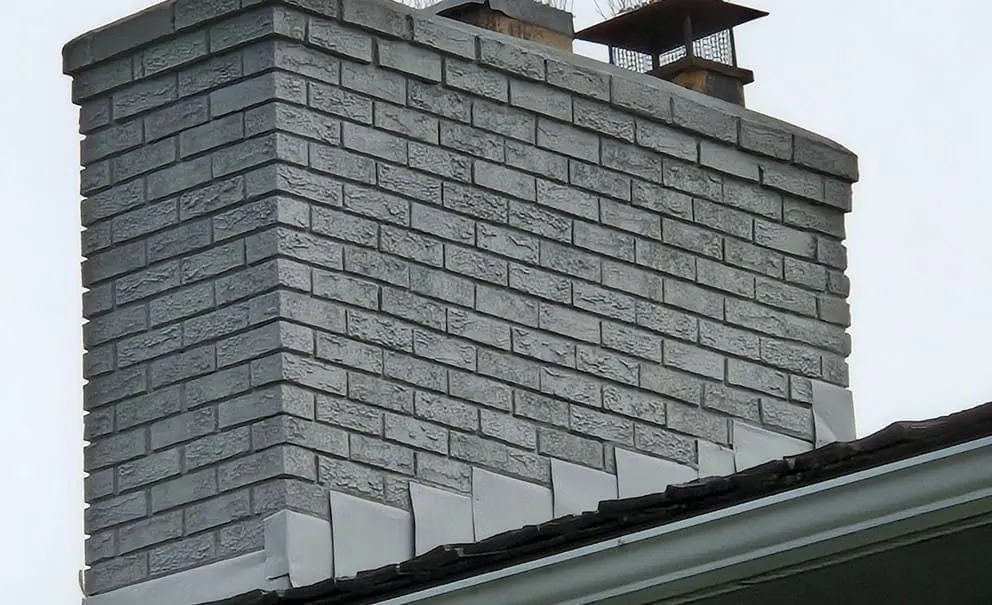
Quality mortar joints and proper installation techniques prevent water damage and ensure longevity.
Good workmanship can reduce avoidable repair risk, but durability and lifecycle cost depend on the material, assembly, exposure, preparation and maintenance. For a first-person discussion of masonry decisions, see our Q&A with Astrit Martinaj.
Contracts and Project Management
Once you choose your contractor, you should have a detailed written contract. A quality contract should include payment schedules, total costs, start and finish dates, and specifications for materials used in the project, as well as the available warranties.
You want your contract to specify exactly what quality masonry materials will be used. Some products Jones recommended for Calgary’s climate require a particular installation technique. Your contractor must be able to explain why they recommend certain materials for your project.
Ask for the actual warranty coverage, including duration, exclusions, who provides it, and what maintenance or access conditions apply. Do not assume a universal one-year workmanship term or that a manufacturer warranty covers installation.
Payment Protection
Be conscious of structuring payments to protect yourself. Always have some amount to pay upfront, but not too much. A typical payment plan is a small down payment for materials, progress payments as work is completed, and the final payment after you are satisfied with the completed work.
If your contractor wants the majority of their money before starting or finishing work, you could have a problem.
Staying in contact
It is important for you and your contractor to schedule time to meet regularly to discuss the project while it is being completed. Quality contractors will expect and welcome any questions regarding their work. Quality contractors will also update you on problems or changes to the original scope of work if they happen.
Take written notes about all conversations. If you agree to changes, make sure you write down the new costs and timeline before they continue with any additional work.
Dealing with Calgary’s Climate
Seasonal Timing
Masonry work, especially outdoor masonry work, can involve seasonal timing and materials. Seasonal timing depends on the material, product requirements, weather, protection and access. Contractors may adjust sequencing or precautions in colder conditions; ask how curing and protection will be managed for the proposed work.
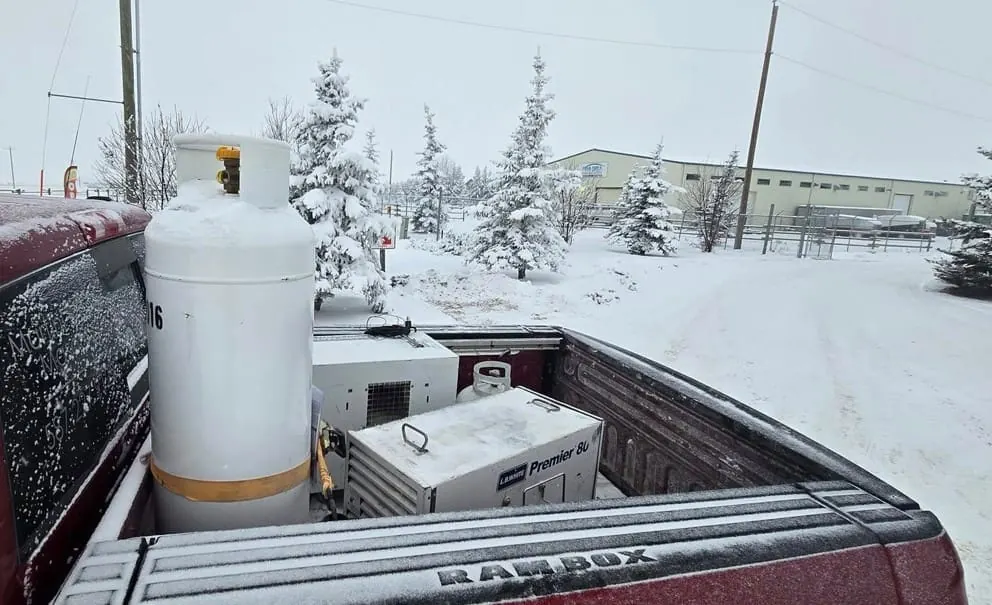
Understanding Calgary’s freeze-thaw cycles is essential for successful masonry projects.
Your contractor should understand the effects of Chinook winds and how these winds affect curing times, and know which materials respond best to temperature swings. Your contractor should also help identify local suppliers and how readily available particular masonry products are.
Local Building Codes
Permit and inspection responsibilities depend on the project, location and applicable requirements. Ask who is responsible for confirming permits, inspections, engineering or other specialist input rather than assuming the contractor always handles each item.
Making Your Final Selection
Choosing a masonry contractor can be a long process, but it is worth the effort. Your selection needs to be a contractor with sufficient experience in Calgary, solid local references, and proper insurance. Make sure you get written contracts and detailed estimates.
Do not choose on price alone. Compare scope, preparation, materials, access, exclusions, warranty terms and responsibilities; the right choice depends on the project rather than a universal promise of lifespan or resale value.
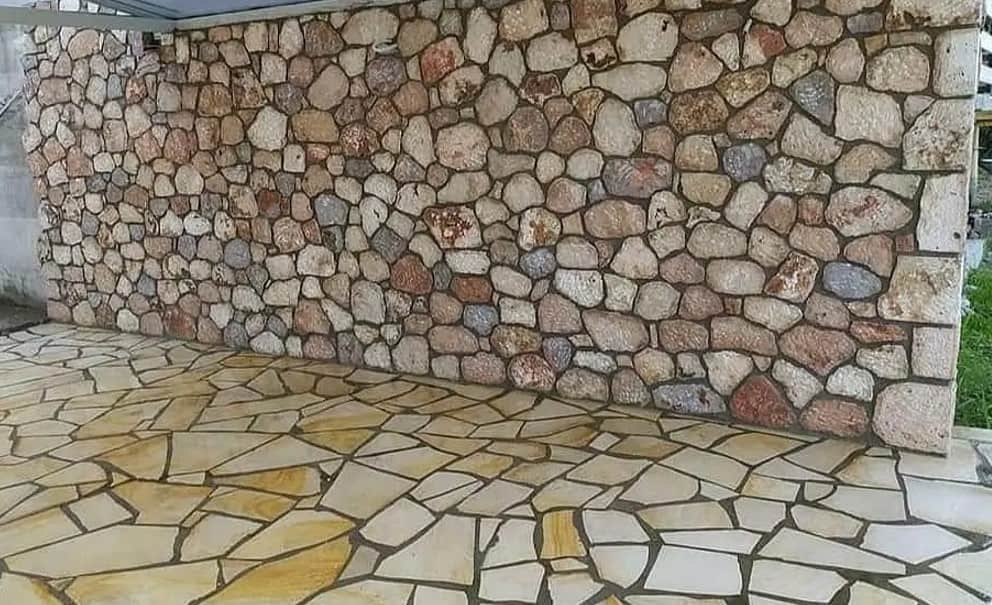
Professional masonry can contribute to a project’s appearance and function; the result depends on the material, design, installation and maintenance.
The best quality contractors are booked out months in advance, often several months in advance, especially about popular time frames like spring and summer. Start searching well in advance of when you would like the work done, and be willing to wait for the right contractor, instead of going with the first one that is able to do it.
A written scope and appropriate preparation make it easier to compare proposals and manage expectations. Take time to check references and document the scope, materials, timing and payment terms.
For Martini’s general company information and service selection, visit Calgary masonry.