
By Astrit Martinaj / Published : July 12, 2026 / Last updated : July 12, 2026
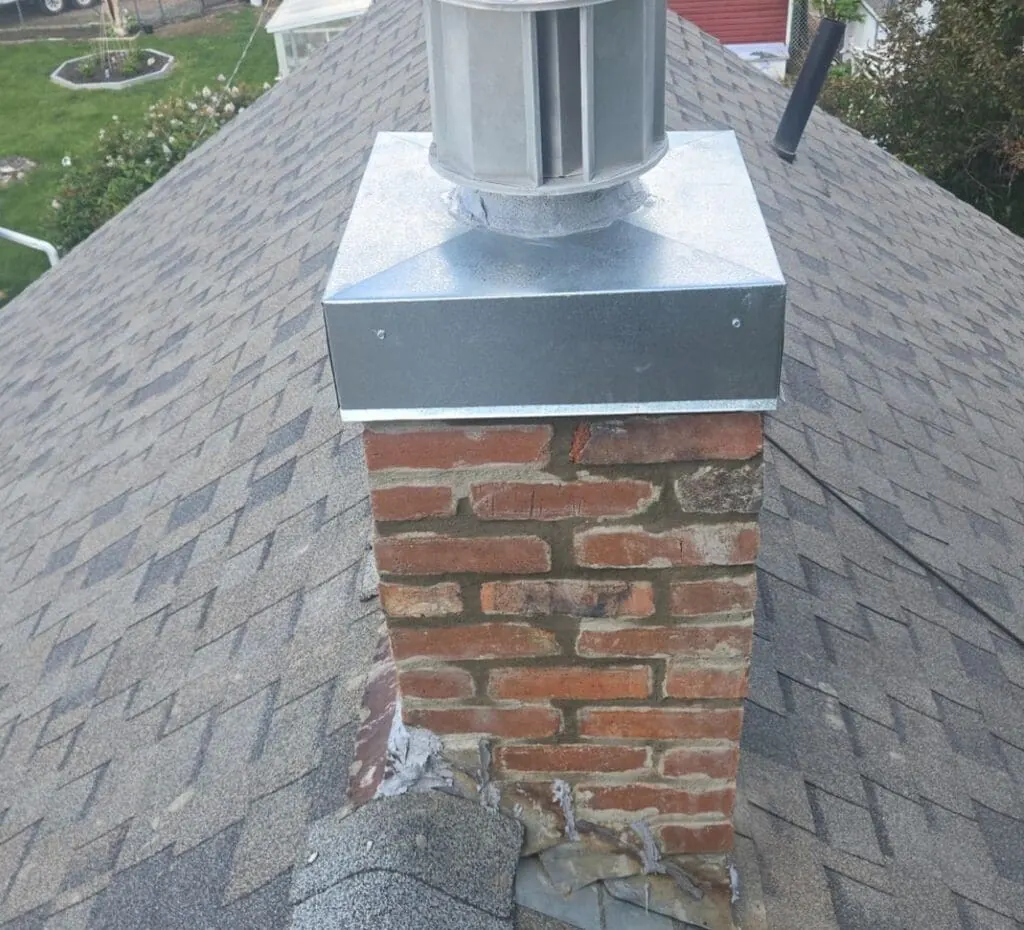
The right mortar for repointing depends on the existing masonry, the joint, the exposure, and the repair specification. A modern Portland-based mortar may be appropriate for some modern brick, while compatible lime-based mortar may be appropriate for some older or softer masonry. House age is a clue, not a specification. The goal is compatibility—not simply choosing the strongest or softest product—and the replacement mortar should not be harder or less permeable than the surrounding masonry without a documented reason.
Why This Matters More Than People Think
A mortar that is incompatible in strength, stiffness, absorption, or vapour movement can contribute to masonry damage, especially when moisture and freeze-thaw exposure are present. The exact mechanism depends on the units, joint, wall design, and exposure; a hard mortar is not automatically the cause of every crack. If units are already damaged, the work may include brick or stone replacement rather than repointing alone.
Portland-Based Mortar (Type N, S, O, M)
Type designations describe performance ranges, not a universal construction-era rule. The correct choice must be matched to the existing units and the specified application.
- Type N: General-purpose mix, moderate strength, the default choice for most above-grade residential repointing on standard brick.
- Type S: Higher strength, used for load-bearing work, below-grade applications, or areas exposed to higher structural stress.
- Type O: Softer, lower strength, sometimes used on very soft historic brick where even Type N would be too hard.
- Type M: Highest strength, mainly for heavy structural or below-grade masonry, rarely the right call for standard home repointing.
Do not treat Type S as a Calgary-wide default. Type N, Type S, a site-specific cement-lime blend, or another specified mortar may be appropriate depending on the masonry and exposure. Assessing the material directly before quoting is more reliable than choosing by climate label alone.
When to Use NHL or Lime Mortar Instead
Older buildings, fieldstone, sandstone, and soft brick may require a different mortar approach, but neither a construction date nor a material name is conclusive. Existing repairs, local materials, joint design, and exposure may vary across one building. Lime mortar can support moisture movement in appropriate assemblies, but the specific formulation still needs to be compatible.
Natural hydraulic lime (NHL) mortars come in different grades, but the grade is not selected by age or stone name alone. Consider the original mortar, unit properties, joint, exposure, curing conditions, and the manufacturer’s specification. “Softer is always safer” is also too simple: an unsuitable mortar can fail or retain moisture even when it is not hard.
Fieldstone vs. Brick: Does It Change the Answer?
Yes, but not always in the way people expect. Dense fieldstone (granite, some harder sandstones) is often less porous than old brick, so the mortar joint itself becomes the primary path for moisture to escape the wall. In that case, a mortar that’s too hard doesn’t necessarily crack the stone, but it can still cause the mortar itself to spall or pop out as water pressure builds behind it and finds the weakest point. Softer, more porous fieldstone behaves more like old brick, and needs a mortar that matches that permeability directly.
Why This Matters More in Alberta Specifically
Calgary’s temperature variation makes moisture management and freeze-thaw exposure relevant to repair planning. It does not identify one mortar type or prove that damage will occur within a fixed period. The repair still needs to match the masonry and the exposure.
Getting a Second Opinion
If you’re not sure whether your home needs Portland-based mortar or a lime/NHL mix, have the actual masonry and existing joints assessed before ordering material. Age is only one clue; previous repairs can create mixed assemblies on the same wall. The decision should be documented against the observed material and intended repair, not promised through a fixed service-life number.