
By Astrit Martinaj / Published : February 23, 2026 / Last updated : February 27, 2026
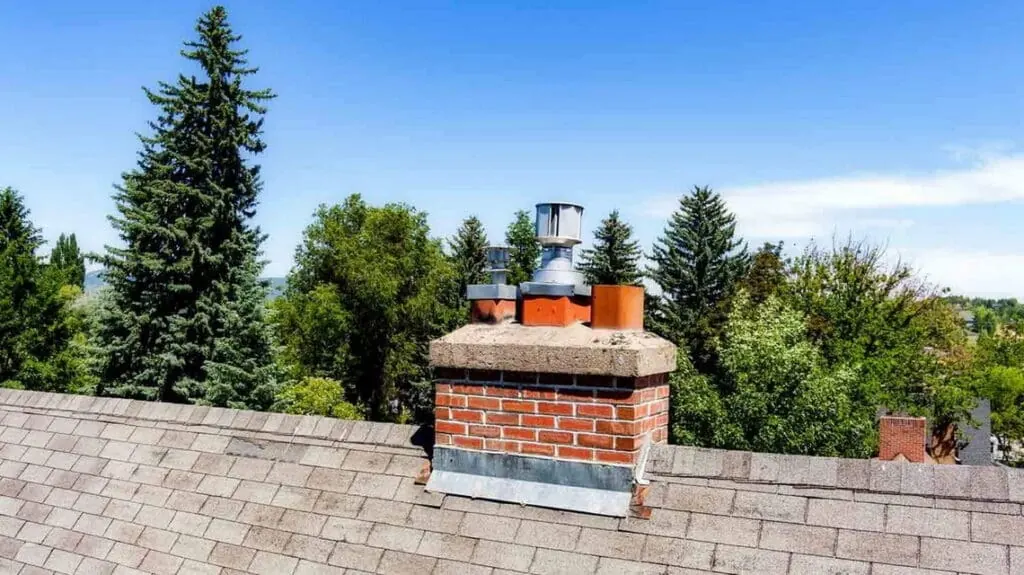
Understanding Chimney Crowns and Their Importance
People who have chimneys from time to time may need the crown of the chimney repaired. The crown of the chimney is essentially a roof for your chimney, and it can be damaged because it was installed at the wrong angle, is too flat, or the flue has caused heat expansion to build up and crack it. The mortar can crack and allow your chimney to sustain water damage. Water damage can make your chimney non-functional. You need to protect the crown, which is one of the most integral parts of the chimney, and protect it from further damage.
Calgary’s freeze-thaw exposure can increase the consequences of water entering a cracked or poorly shedding crown. The rate of deterioration depends on the crown, masonry, exposure, detailing, preparation and maintenance; no fixed service-life comparison applies to every chimney.
What to Check Safely
From the ground, a homeowner can record visible cracks, crumbling edges, pooling water, staining below the crown and missing or damaged caps. Roof and chimney access can be hazardous, and a surface observation cannot establish the condition of the concealed flue, flashing or masonry. Arrange an assessment rather than treating this guide as a ladder or repair procedure.
The correct repair material, preparation, slope, edge detail and curing method depend on the existing crown and the selected system. A surface patch may not address a crown that is cracked through, poorly detailed or affected by related masonry or flashing conditions. See chimney cap replacement in Calgary for the distinction between concrete crowns and custom metal caps.
One detail worth checking is whether the crown sheds water away from the masonry rather than allowing it to pool or run down the chimney face. The appropriate edge, slope and transition details depend on the chimney and the system used; a visible defect should be assessed with the surrounding masonry and flashing.
Hiring a Commercial Chimney Service
If you choose to use a commercial chimney cleaning service, you can also have your crown repaired by them. You can get estimates or bids from several different chimney cleaning services to see how much it would cost to fix or to repair the crown. These professionals have an advantage because they will do the work for you and may do other services for a package price, like cleaning the chimney itself and replacing loose brick and mortar all around the area.
A commercial service may also be able to give you a guarantee and will be able to come back and complete any work that is not done to your satisfaction or to follow up if there are any other problems with the crown repair itself.
Ask what masonry scope the contractor will assess and what conditions are outside that scope. Crown work does not by itself establish the condition of a liner, appliance, firebox or concealed assembly; those questions may require an appropriately qualified chimney or appliance specialist. For Martini’s masonry scope, see the fireplace and chimney services page.
Signs Your Chimney Crown Needs Repair
To determine whether your chimney crown requires repair, look for visible cracks, crumbling mortar, or pooling water around the top of the chimney. These signs indicate damage that could worsen if left unaddressed. Additionally, if you notice water stains on interior walls near the chimney or hear dripping sounds during rainstorms, the crown may no longer be effectively sealing out moisture. Regular inspection is key to catching these issues early.
A less obvious sign is efflorescence, the white chalky residue that sometimes appears on brick faces below the chimney line. It can occur when water moves through masonry and deposits mineral salts as it evaporates. Efflorescence is not structural damage on its own and does not identify the source; the crown is one of several connected details to inspect.
Preventing Future Damage
Once the chimney crown is repaired, taking preventive measures can extend its lifespan. Any repair or protective treatment should be compatible with the crown material and its water-shedding design; do not apply a generic sealant without understanding the existing system. Routine maintenance, such as cleaning debris from the chimney and inspecting for new cracks, can also keep the crown in good condition. Investing in a quality chimney cap can further safeguard the structure by keeping out rain, snow, and animals.
Benefits of Professional Maintenance
While DIY repairs may seem cost-effective, professional maintenance offers several benefits. A qualified professional can assess visible crown and masonry conditions and explain the proposed preparation, materials and scope. Any workmanship terms should be project-specific and stated in the written estimate.
Conclusion
Maintaining the chimney crown is crucial for preserving the overall functionality of your chimney. Whether you opt for a DIY approach or hire a professional service, addressing damage promptly can prevent costly repairs down the line. By understanding the importance of the chimney crown and taking proactive steps to protect it, you can ensure your chimney remains in excellent condition for years to come.